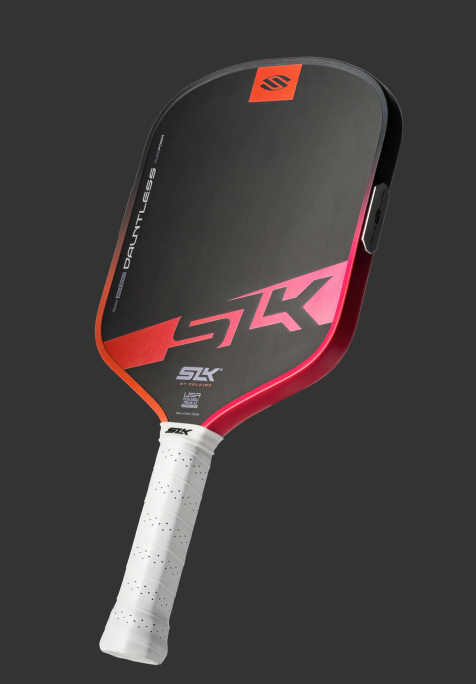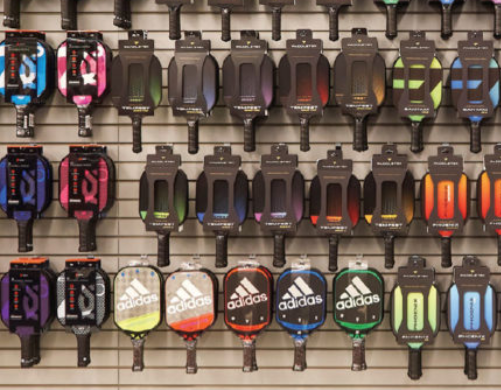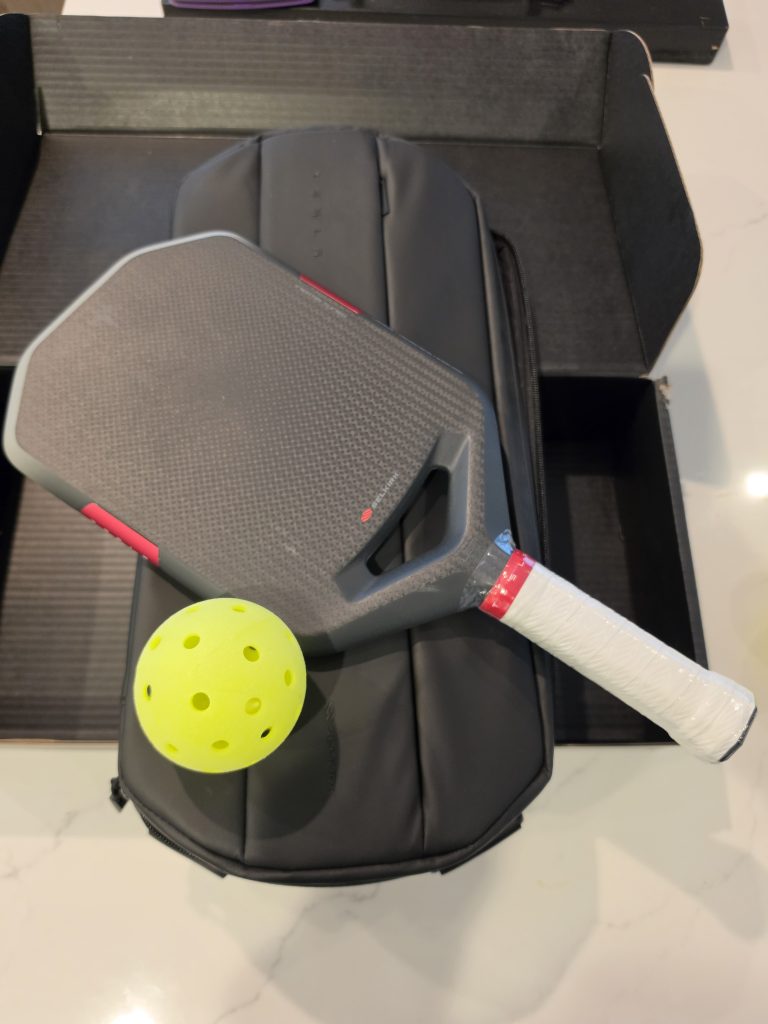
If you went online recently to buy the wildly popular Selkirk SLK Halo or SLK Evo, you probably noticed they are gone. In Q1 2026, Selkirk executed a massive “Reset” of their entire SLK beginner and intermediate line to fix the industry’s biggest problem: too many confusing choices. They retired over six legacy models (including the Halo, Evo, and Atlas) and replaced them with a simple, four-paddle progression. If you are looking for the direct upgrade to the Halo, you want the new SLK Dauntless ($180).
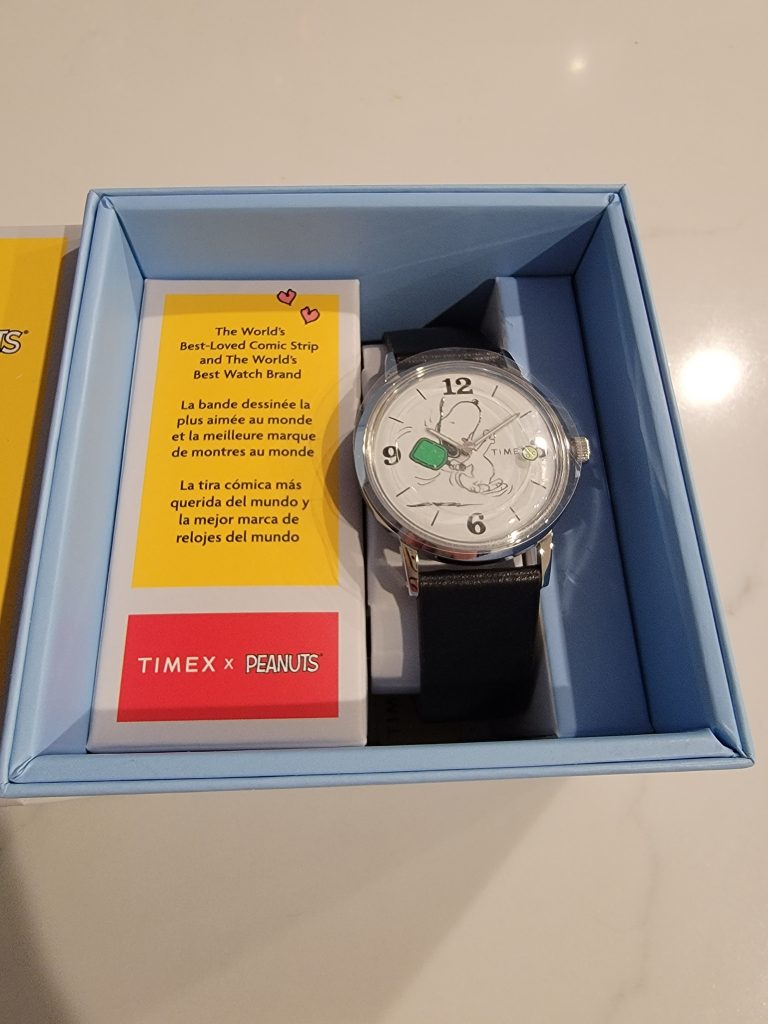
Let me be upfront with you: I’ve always been a watch person. For the past few years, I’ve been wearing the same battered Garmin on the court, and my relationship with analog watches took a backseat. But in my adventure to reclaim a slow tech lifestyle, I couldn’t pass up this gem.
A watch with Snoopy on the dial. Playing pickleball. With a tiny rotating pickleball as the second hand.
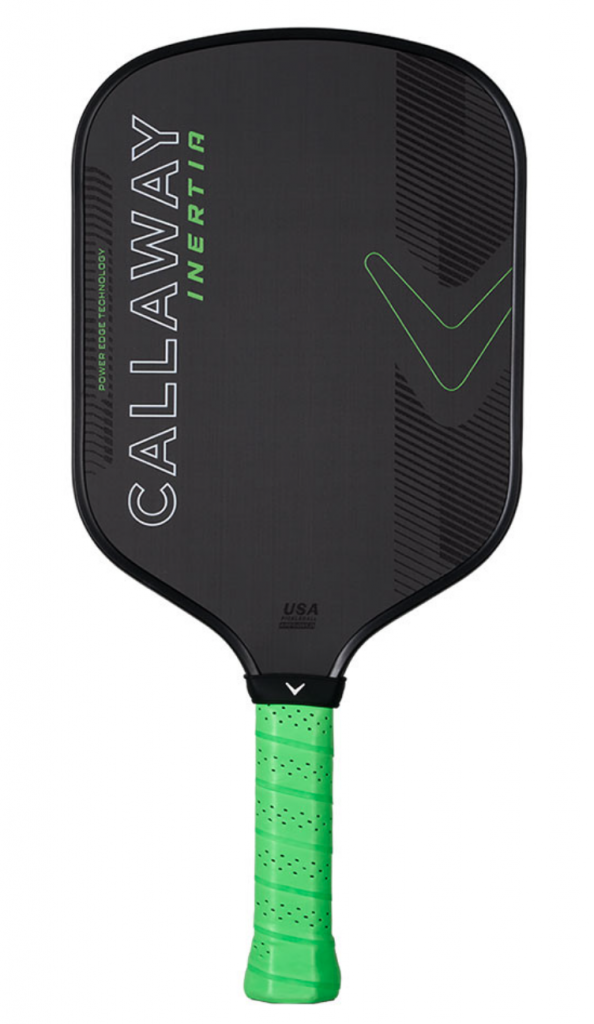
The biggest story in pickleball equipment right now isn’t a new startup—it’s legacy golf giants taking over the court. Callaway has officially entered the chat with their debut paddle, the Callaway Inertia. Armed with “Power Edge Technology” (borrowed from driver engineering to maximize Moment of Inertia) and a T700 carbon fiber face, this $250 paddle is aimed squarely at the premium country club demographic. While legacy tennis brands have historically struggled to conquer pickleball, Callaway’s massive R&D budget and built-in pro-shop distribution network mean this isn’t just a side hustle. It’s an invasion.
Hey pickleball fans, Ace here. While everyone’s been obsessing over MLP draft drama and PPA Tour results, the paddle market has been quietly going through one of its most interesting periods in years. We’ve got Anna Leigh Waters’ signature Franklin paddle shipping this week after record-fast approval, JOOLA launching a hybrid shape that nobody asked for but everyone’s curious about, and a technology arms race that’s making Gen 3 vs Gen 4 debates look quaint.
Let’s talk about what’s actually landing in mailboxes and hitting retail shelves over the next few weeks, because this is where the rubber meets the road—or more accurately, where carbon fiber meets polymer cores.
Hey pickleball fans, Ace here. While everyone’s been obsessing over the MLP draft drama (and rightfully so—$1.23M for Anna Bright is insane), some other significant developments have been unfolding in the professional pickleball world. The APP Tour is making moves, former pros are pivoting to business, and we’ve got some actual data on injuries that might make you rethink your gear choices.
Let’s dig into what happened this week beyond the MLP circus.
A $250 paddle is useless if it doesn’t fit your mechanics. The biggest mistake players make when demoing a paddle is simply jumping into a rec game and hoping for the best. To truly know if a paddle is worth buying, you must isolate its features through a strict drilling protocol: test the sweet spot with transition resets, the grit with topspin drops, and the core thickness with kitchen dinks. Whether you borrow from a local rep or use an online demo program, never buy a paddle based on the “Honeymoon Phase” of your first match.
If you thought the keeper deadline was dramatic, the actual draft just turned the entire professional pickleball world upside down. We now have official answers to the questions everyone was asking: Would St. Louis get Anna Bright back? Would New Jersey steal Jorja Johnson? And most importantly, how much money would teams actually spend on these superstars?
The answers, respectively: Yes. Yes. And holy hell, way more than anyone predicted.
Friday’s 2026 MLP Free Agency Draft delivered record-breaking bids, shocking snubs, a youth movement that left veterans scrambling, and enough drama to fuel a Netflix series. Let’s break down everything that happened and what it means for the upcoming season.
The February 15th Major League Pickleball (MLP) keeper deadline delivered massive shocks as superstars Jorja Johnson (Dallas Flash) and Anna Bright (St. Louis Shock) were officially dropped to free agency. While these moves appear risky, they are calculated financial gambles to avoid massive keeper fees—which can exceed $300,000—in hopes of re-drafting the players at a lower market price. With 66 roster spots to fill, the February 27th free agency draft is now a high-stakes bidding war that could see prices for top women surpass $500,000, fundamentally shifting the league’s power balance.
If you thought last week was dramatic with Andre Agassi’s World Series announcement, hold onto your paddles—because the MLP keeper deadline just delivered some genuine shockers that have the entire professional pickleball community buzzing.
On Sunday, February 15th at 4pm ET, all 20 Major League Pickleball teams submitted their keeper lists for 2026. The announcements dropped Monday, and let me tell you: some of these decisions are absolutely wild. Let’s break down what happened, why it matters, and what it means for the February 27th free agency draft.
Let’s be honest, if you’ve been following the blog or catching me on the courts lately, you know I’ve been a bit “gear-stagnant.” I’ve been cycling through the same couple of paddles for a while now, waiting for something to actually move the needle. The pickleball market is flooded with “innovations” that are often just new paint jobs.
But then JOOLA dropped the specs on the Perseus Pro V, and for the first time in a long time, I’m genuinely itching to get my hands on a new piece of carbon fiber.
Here is why this launch feels different and why the “Pro V” might be the shift we’ve been waiting for.
The foam-core revolution is officially here, and it’s getting loud. If you’ve been hanging around the courts lately, you’ve probably heard that deep “thud” of a foam-filled paddle. It’s a completely different feel than the hollow “clack” we’ve all used for years.
Today, I’m putting two of the newest and most hyped 2026 releases against each other. In one corner, we have theHonolulu J2NF, a paddle being hailed as the “Forgiveness King.” In the other, the 11SIX24 Vapor Power 2, a brand-new “value disruptor” that just launched with a surface texture—HexGrit—that looks like it could peel the paint off a car.
I’ve spent the last week rotating between these two in competitive play. While they both use foam, they represent two completely different philosophies of the game.