
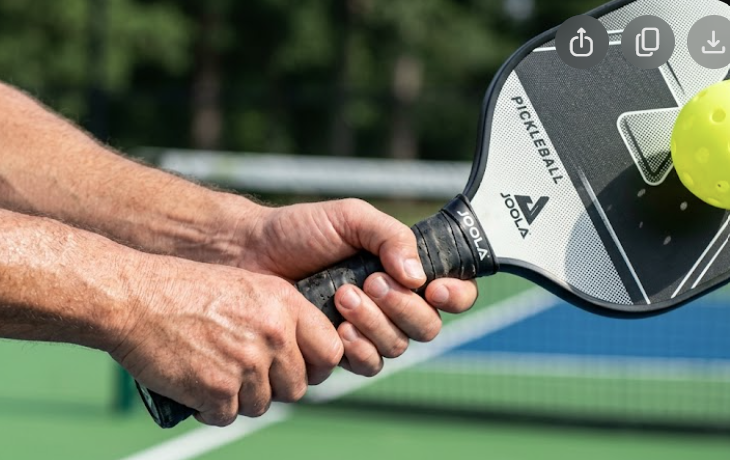
The two-handed backhand has gone from a tennis-transplant quirk to a legitimate weapon at the 4.0+ level, and in 2026 it is close to mandatory if you want to survive a kitchen-line firefight. Adding your non-dominant hand gives you stability on fast hands battles, real topspin on the third shot drive, and a roll volley that actually dips.
I need to start with a confession.
For my first two years in this sport, I was a one-handed backhand guy and proud of it. I came from tennis, I had a slice I liked, and I genuinely believed the two-hander was something tennis converts did because they hadn’t bothered to learn a proper pickleball backhand yet. I said this out loud. To people. Repeatedly.
Then I spent about six months getting handcuffed at the kitchen line by a 4.5 who did nothing but speed up at my right hip. Every single time, my one-handed backhand volley would either float or die. He knew it, I knew it, and by the fourth game he had stopped even pretending to hit anywhere else.
That’s when I finally added the second hand. And I want to be honest about the timeline: it made my game noticeably worse for about three weeks, and then it made my game dramatically better forever. If you’re on the fence, that’s the trade you’re actually considering.
Here’s everything I’ve learned since, including the gear mistake that made my first attempt miserable.

Drew Pierce is a USA Pickleball Ambassador, PPR certified coach, and tennis crossover who covers beginner tips, paddle releases, and the sport’s growing culture. Read more on his About page or tune into Pickle Rock Radio.