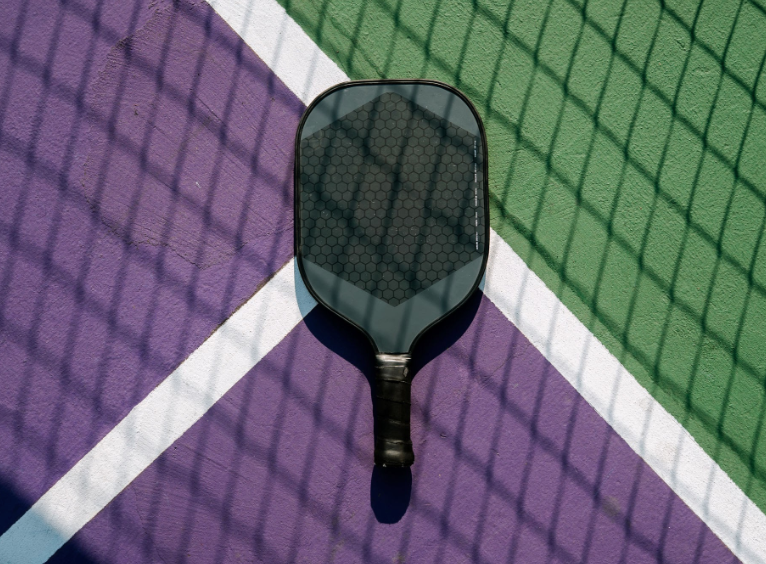
To tell if your pickleball paddle is dead, tap the face in a grid and listen for dull spots, press the center for crunching or give, and drop a ball on different spots to compare the bounce. Then look for cracks or a face lifting off the core. No home test is conclusive. And “dead” doesn’t always mean weaker. A broken-down core often makes a paddle hotter.
In 2023, I had a dreadful night on the court and did what any reasonable adult would do. I blamed my paddle.
Then I wrote a whole post about paddle lifespan and admitted the uncomfortable part: short of an X-ray machine, “there is no true way to test a paddle.”
I still don’t own an X-ray machine. At home, that line mostly holds up. What’s changed is that the people who build paddles, run them through lab machines, and police them at tournaments now say a lot more about how paddles fail. So I went through what they’ve published. Everything below comes from manufacturers, testing labs, and the rulebook, not from me knocking on paddles in my garage. I’ll tell you which source is which, because they don’t always agree.

Drew Pierce is a USA Pickleball Ambassador, PPR certified coach, and tennis crossover who covers beginner tips, paddle releases, and the sport’s growing culture. Read more on his About page or tune into Pickle Rock Radio.