Hey there, pickleball fam! Ace here, and what a week it’s been. While most of us in the States are knee-deep in holiday shopping and trying to squeeze in court time between family obligations, the pickleball world has been absolutely buzzing with international developments that are legitimately changing the landscape of our sport. From dramatic finals in India to a game-changing global alliance, plus some killer last-minute gift ideas—we’ve got a lot to cover. Let’s get into it.
Ace here, coming at you from a rainy Monday morning in Austin that’s got me thinking about the wild weather that just hit the USA Pickleball Nationals in San Diego. Between Mother Nature’s interference, historic international developments, and some seriously good Cyber Monday paddle deals still available, we’ve got plenty to unpack this week. Or you can just grab the most expensive pickleball paddles–or the cheapest!
At first glance, the WWE and your local pickleball courts have nothing in common. One involves steel chairs and spandex. The other involves plastic balls and people arguing about whether that ball was really out.
But here’s the thing: both are deeply psychological. They’re about positioning, reading your opponent, and yes—”working” them to get the upper hand.
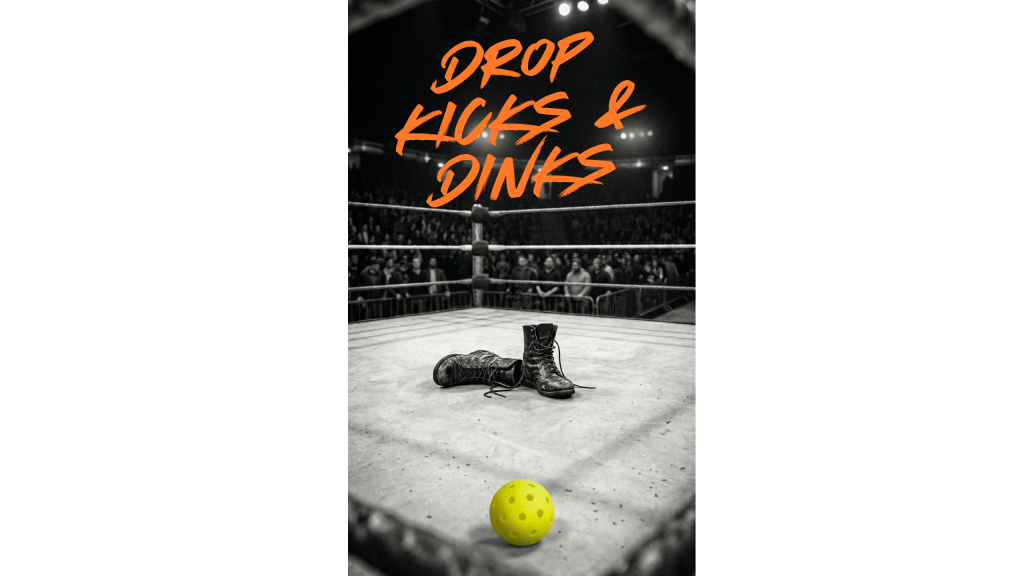
I’ve been obsessed with this crossover lately. So much so that I wrote a short story called “Dropkicks and Dinks” (part of my new collection, Before the Sink Overflows), about a washed-up wrestler who finds redemption on the pickleball court. But while writing it, I realized the skills weren’t just fiction. They apply to real gameplay.
Here are five mental hacks that pro wrestlers use—that will absolutely fix your pickleball game.
The JOOLA Agassi Pro ($279) features a unique “tennis-style” flared shape and a propulsion core that delivers elite power and spin. While expensive, it is USAP-approved and ideal for tennis converts looking for a high-performance paddle that feels faster than the standard elongated shape.
When I first heard about the JOOLA × Andre Agassi Pro pickleball paddle, I was skeptical. A “signature” paddle always walks the line between marketing and performance — but to me, this one delivered beyond the hype. The shape is striking: a narrow waist that flares out at the top, reminiscent of a tennis racket more than the typical wide-body pickleball paddle. That unique profile instantly caught my attention.
While Temu offers incredibly cheap pickleball paddles, most lack USA Pickleball approval, meaning they are illegal for club or tournament play. For the same price (under $100), you can buy certified, high-performance paddles on Amazon like the Vatic Pro Prism Flash or Friday Original that offer better spin, durability, and warranty protection.
If you’ve been scrolling through Temu looking for a cheap paddle, I’m here to save you from a potentially expensive mistake. Sure, those $20 paddles look tempting, but here’s the reality: you’ll likely end up with questionable quality, zero warranty support, and shipping times that could outlast your motivation to play.
Here’s the good news: you don’t need to drop $250 on a premium paddle to get serious about pickleball. Amazon offers dozens of legitimate paddles under $100 that will serve you well for years. You’ll get reliable shipping, easy returns, and actual customer support if something goes wrong. Plus, many of these budget-friendly options perform surprisingly close to their expensive counterparts.
I’ve compiled the ten best Amazon pickleball paddles under $100 for 2026, breaking them down by category so you can find exactly what you need. Whether you’re a total beginner or an intermediate player looking for a backup paddle, this list has you covered.
The Continental Grip (“Hammer Grip”) is the best all-purpose grip for beginners because it requires no hand adjustments at the net. To improve control, add an overgrip: use Tourna Grip for sweaty hands or Wilson Pro for comfort.
If you’ve been playing pickleball for a while, you’ve probably realized that how you hold your paddle matters—a lot. Your grip affects everything from power to precision, and choosing the right one can transform your game.
In this guide, we’ll break down the three main pickleball grips: Continental, Eastern, and Western…and dive into overgrips to help you maximize comfort and control on the court.
Roscoe Bellamy secures his first PPA Gold in Lakeland, while ALW wins her 39th Triple Crown. In community news, Carmel, CA bans pickleball in public parks due to noise. Scroll down for verified Black Friday codes from CRBN, Holbrook (50% off), and Gearbox.
Happy Thanksgiving week, pickleball family! Ace here, writing this from my kitchen table with replays from Lakeland still running through my head. The PPA Veolia Lakeland Open just wrapped up, and holy moly, did it deliver some unforgettable moments. Plus, if you’re reading this on Black Friday, I’ve got some seriously good paddle deals to share that might just make your wallet a little lighter (but your game a lot better). Let’s jump in.
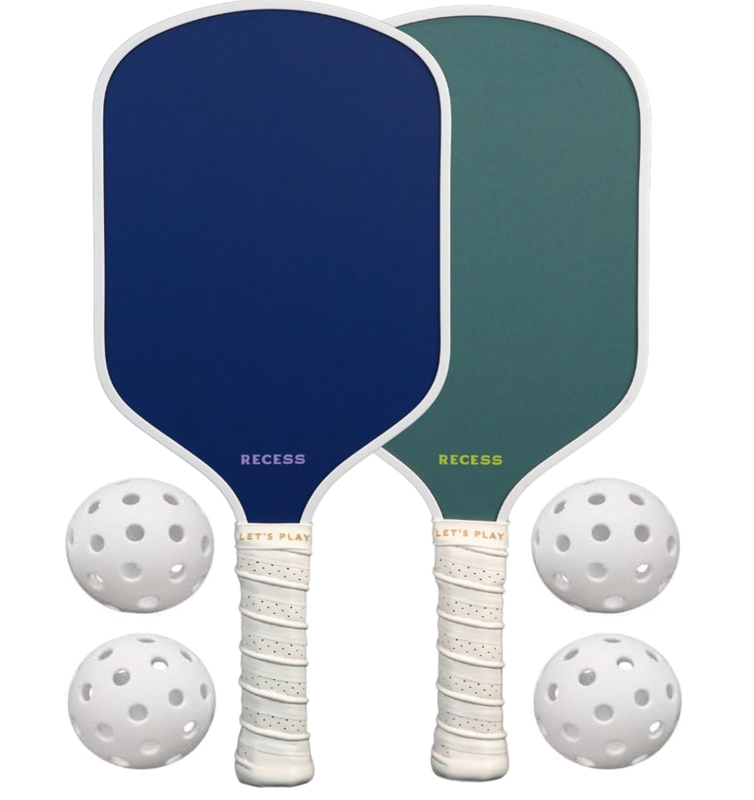
The best pickleball gifts for 2025 range from the Franklin X-40 balls (the perfect $15 stocking stuffer) to the Spinshot Machine (the ultimate $2,000 splurge). For beginners, the JOOLA Essentials Set is the top choice, while stylish players will love the Recess paddle collection.
Recess Pickleball Paddle: The Instagram-Worthy Paddle
Looking for the perfect blend of style and substance? Recess paddles have taken the pickleball world by storm with their eye-catching designs and quality construction. These aesthetic beauties feature durable fiberglass surfaces with honeycomb polypropylene cores that actually perform on the court. Whether you’re shopping for someone who loves gingham prints, trendy colorways, or wants a paddle that looks as good hanging on the fence as it does in their hand, Recess delivers. Great for recreational players who want to show their personality while playing their best game. This is the gift for “Her” (or anyone who appreciates court-ready style).
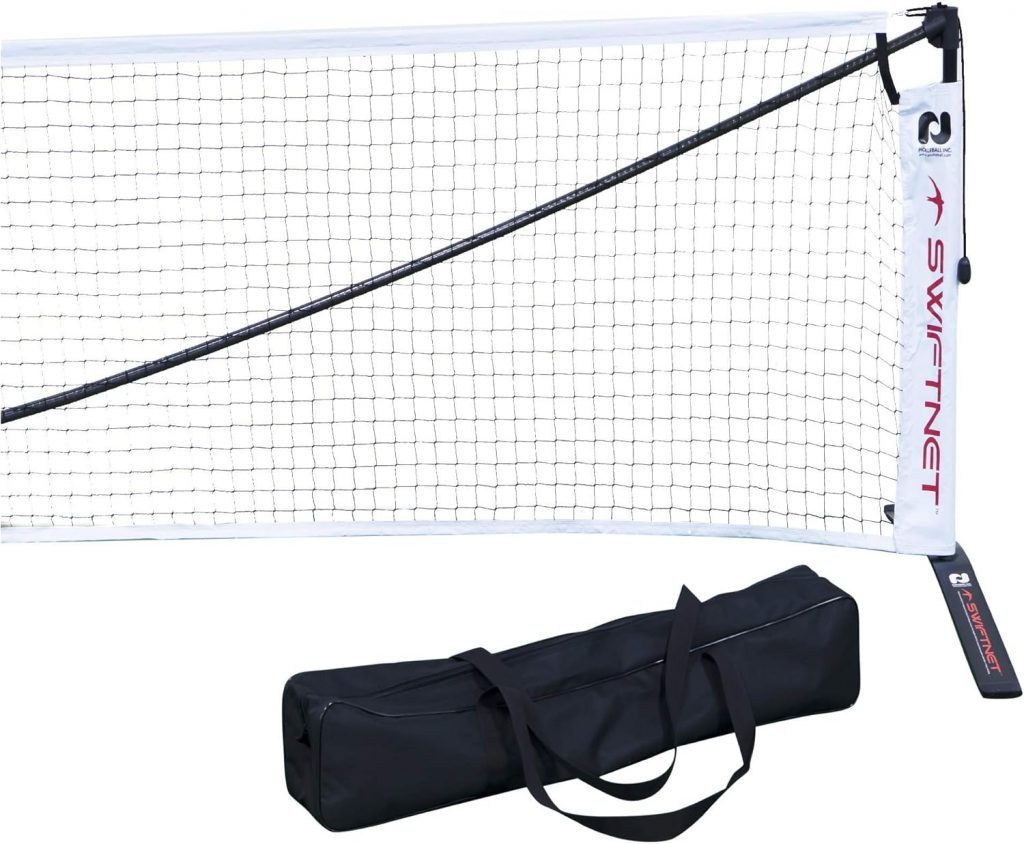
The SwiftNet 2.1 solves the #1 problem with portable nets: sagging. By using a recycled carbon fiber boom, it maintains perfect regulation tension without bowing. At only 17 lbs, it is half the weight of standard steel nets, making it the gold standard for players who want “true court” play in their driveway.
You know that thing you bought on Amazon for $100 because you thought all portable pickleball nets were basically the same?
Yeah. I had one of those too.
The metal poles started rusting after three months. Setup took 20 agonizing minutes every single time, which meant less time actually playing. But the absolute worst part?
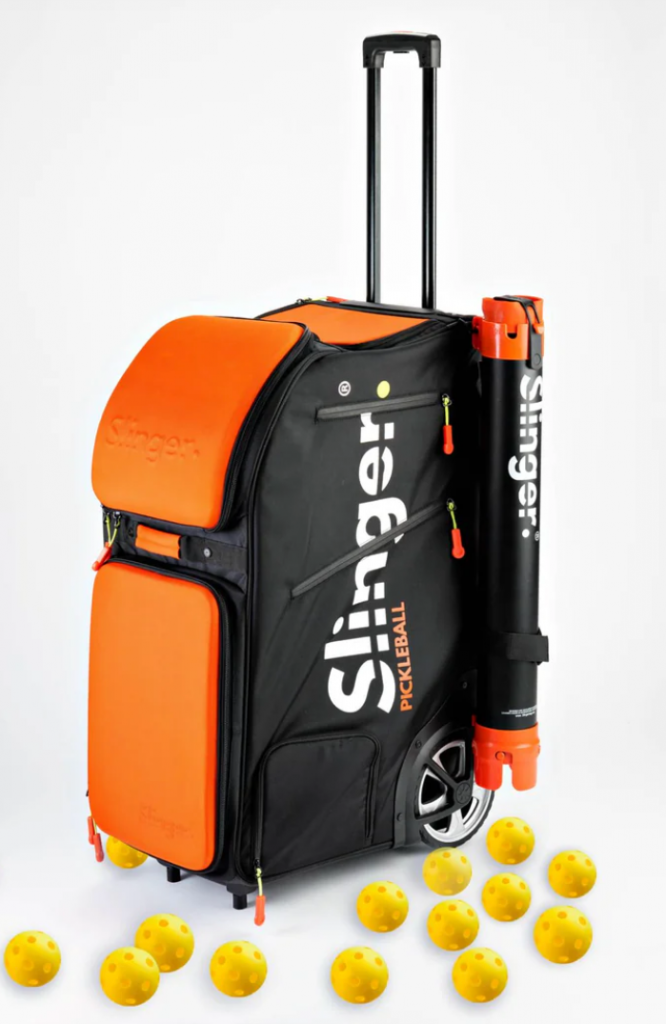
The Slinger Bag ($949) justifies its price by acting as a portable, 144-ball capacity “coach” that pays for itself in 3 months compared to private lessons. While cheaper machines like the Franklin Sports exist, they lack the oscillation, battery life, and app control required for serious solo training.
Drilling alone is boring. There, I said it. Hitting against a wall ruins your rhythm. You want to practice ‘fast hands’ volleys, but you have no partner. And don’t even get me started on trying to work on your third shot drop when the only thing dropping is your motivation to schlep to the courts by yourself.